
Led the end-to-end strategy and design of “iChat,” an cross-channel AI smart assistant for Cadillac, providing a one-stop digital service ecosystem for the entire car ownership lifecycle

Cadillac AI Assistant
ReInvent Service Chatbot in Auto Industry with AI
Service
Industry
Client
General Motor, Shanghai Automotive Group, Cadillac
Team & Role
Role: Project Lead, Product Strategy, UXUI Direction
Team: Sean, Tuzi, Linghao HU @ S.POINT
Background
Traditional automotive chatbots often suffered from a “cold, mechanical” feel, featuring static avatars and low interactions that lose touch users. Furthermore, aggressive hard-selling style led to poor user tolerance and low conversion rates. Cadillac required an empathetic, conversational product that could seamlessly integrate business scenarios with a humanized user experience to boost engagement and commercial value.
Method & Achievement
User Insight & Service Blueprinting: Directed extensive user research, including 1v1 deep interviews and focus groups, mapping out a comprehensive User Journey Map and Service Blueprint to identify key Moments of Truth (MOTs) across pre-sales and after-sales scenarios.
Emotional Interaction Design: Redesign chat interfaces with a dynamic AI avatar capable of 9 distinct emotional expressions, significantly elevating brand warmth and interactive engagement. Integrated rich UI components like Floating Action Buttons (FAB) and visual cards into the chat stream to simplify complex tasks intuitively.
Soft Marketing & Lead Generation: Transformed hard sales style into engaging “soft marketing” features. Designed gamified car-recommendation quizzes based on user scenario
Cross-Platform Integration: Managed the end-to-end product delivery, collaborating with technical teams to integrate NLP engines and internal APIs, ensuring a unified launch across Web, Mobile App, and WeChat ecosystems.
Project Outcomes: iChat not only significantly increased user interaction time at digital touchpoints and led conversion rates by 10%, but also successfully reduced the cost of human customer service by approximately 24%.


Explore More
Explore More
Explore More
Explore More

SIME Motor Website Revamp
SIME Motor Website Revamp

Lotus CX MOT
Lotus CX MOT

Huawei Fusionsolar ReBranding
Huawei Fusionsolar ReBranding

Europe Entry Digital Strategy & APP UXUI
Europe Entry Digital Strategy & APP UXUI
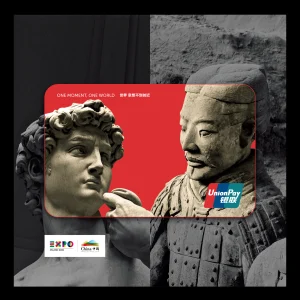
EXPO Milano China Pavilion Marketing
EXPO Milano China Pavilion Marketing

Retail CX Strategy & Design
Retail CX Strategy & Design

Starbucks Packaging Innovation
Starbucks Packaging Innovation

McDonald’s Packaging Innovation
McDonald’s Packaging Innovation

Bakery Brand Strategy & Design
Bakery Brand Strategy & Design

Caffe Chino Cake & Patisseries Branding, UK